Understanding Sports Broadcasting
What is Sports Broadcasting?
Sports Broadcasting refers to the dissemination of sports-related content via audio, video, or digital platforms. This encompasses live event coverage, updates, analyses, and discussions that engage audiences worldwide. As a Sports Broadcasting medium evolves, it serves not just to inform fans about their favorite teams and players but also creates a communal experience around sports events.
The Evolution of Sports Broadcasting
Sports Broadcasting has undergone significant changes since its inception. From the first radio broadcasts in the 1920s to televised events later, the journey has been marked by innovation. With the advent of digital platforms, streaming has taken precedence, allowing viewers to consume sports content on-demand. Today’s networks utilize cutting-edge technology, providing multi-angle views, instant replays, and augmented reality experiences to enhance viewer engagement.
Key Components of Sports Broadcasting
The primary components of effective Sports Broadcasting include content creation, technology integration, and audience interaction. A successful broadcasting setup requires skilled commentators, advanced production teams, and high-quality equipment. Furthermore, audience engagement through social media and viewer feedback plays a crucial role in shaping broadcasting strategies and content types to keep fans connected and entertained.
Technology in Sports Broadcasting
Essential Equipment for Effective Broadcasting
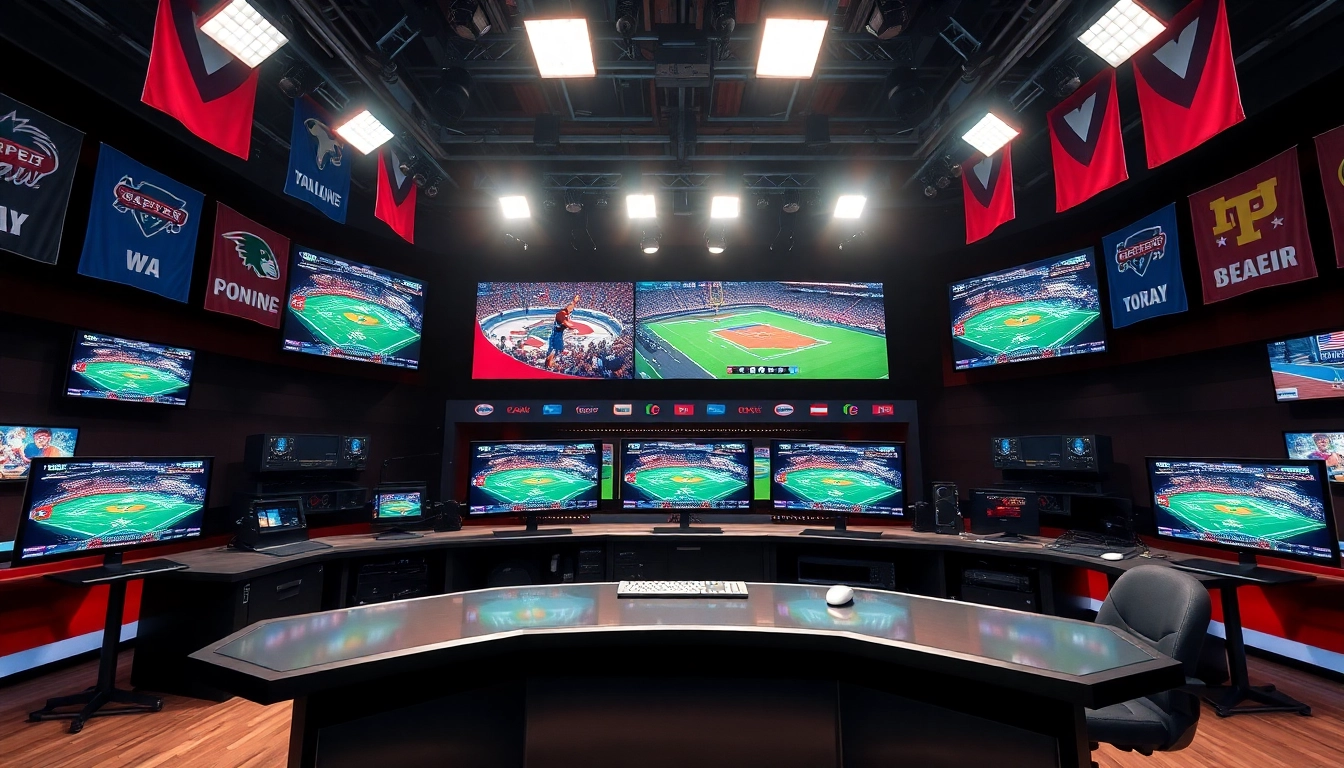
High-definition cameras, microphones, and broadcasting software are fundamental tools in the realm of Sports Broadcasting. Equipment such as multi-cameras for different angles, drones for aerial footage, and portable broadcasting units have transformed how events are covered. Each piece of technology plays a pivotal role in capturing high-quality content that resonates with viewers, ensuring a visually stunning and immersive experience.
Role of Software in Sports Broadcasting
Software solutions are integral to managing broadcasts efficiently. From scheduling and managing content to analytics tools that track viewer engagement, the right software can streamline broadcasting workflows. Graphics and animation software also enhance broadcasts by incorporating engaging visuals, data overlays, and real-time statistics that captivate the audience and add context to the sporting events being shown.
Innovations Shaping the Future of Sports Broadcasting
The future of Sports Broadcasting is being shaped by innovations such as virtual reality (VR), augmented reality (AR), and artificial intelligence (AI). These technologies offer opportunities to create immersive experiences, allowing fans to feel as though they are part of the action. AI can also analyze viewer preferences, producing tailored content recommendations that enhance user engagement and satisfaction over time.
Content Creation for Sports Broadcasting
Creating Engaging Sports Commentary
Commentary in Sports Broadcasting is crucial for creating an engaging viewer experience. Effective commentators not only convey information but also evoke emotions and create narratives around the events. Developing a distinct voice and style, alongside deep knowledge of the sport, enables commentators to connect with fans more personally. Techniques such as storytelling, humor, and insights from past events can elevate commentary depth.
Utilizing Social Media in Sports Broadcasting
Social media platforms have transformed how fans consume sports content. Integrating real-time social media feeds into broadcasts enhances viewer interaction and creates a sense of community among fans. Sports networks increasingly rely on platforms like Twitter and Instagram for instant updates, commentary, and fan engagement, ensuring that audiences remain connected and invested in the experience.
Highlights and Recaps: Capturing Audience Attention
Highlight reels capture the most exciting moments and serve to engage fans who may have missed live broadcasts. Recap videos condense entire events into digestible content, enhancing sharing potential across social networks. This strategy not only keeps existing fans engaged but also attracts new audiences by providing bite-sized, impactful content that showcases the best aspects of sporting events.
Challenges in Sports Broadcasting
Managing Live Events and Broadcasts
Managing live sports broadcasts presents numerous challenges including scheduling, unforeseen events, and coordination among teams. Businesses must have contingency plans in place to address issues such as delays or technical failures. Effective communication between production teams and technical staff is essential to ensure smooth transitions and uninterrupted coverage that keeps viewers invested.
Dealing with Technical Difficulties
Technical difficulties can occur at any moment during a broadcast, from connectivity issues to equipment failure. Fast and responsive technical support is crucial in these situations to minimize downtime. Regular equipment testing, staff training, and backup systems should be part of an organization’s strategy to mitigate potential challenges and maintain the quality of broadcasts consistently.
Adapting to Viewer Preferences
Viewer preferences evolve, influenced by changing demographics, tastes, and media consumption habits. Keeping a pulse on these preferences through surveys and analytics is vital for broadcasters aiming to stay relevant. Adaptability in programming, content types, and delivery methods can enhance audience retention. Continuous engagement with viewers allows broadcasting teams to fine-tune their offerings according to fan feedback and trends.
Metrics and Success in Sports Broadcasting
Measuring Audience Engagement
Measuring audience engagement through metrics such as viewership statistics, social media interactions, and viewer retention rates is vital to assess broadcasting effectiveness. Advanced analytics tools enable broadcasters to collect and analyze data, offering insights that can guide programming choices and marketing strategies. These metrics help determine what resonates with audiences and why.
Evaluating Broadcasting Quality
Broadcast quality is closely associated with technical performance, viewer experience, and content depth. Evaluations can be based on viewer feedback, technical quality assessments, and critical reviews. High-quality broadcasts should combine clear visuals, sound production, and informative content. Continuous improvement based on evaluation data ensures that broadcasters not only meet but exceed audience expectations.
Future Trends and Performance Metrics
Emerging trends such as interactive broadcasting, personalized content, and the integration of AI-driven analysis are likely to alter the landscape of Sports Broadcasting. Performance metrics will expand to include audience sentiment analysis and advanced data visualization techniques. Staying ahead of these trends not only enhances the viewing experience but also solidifies broadcasters’ positions in a competitive landscape.
Frequently Asked Questions
What is the primary goal of Sports Broadcasting?
The primary goal of Sports Broadcasting is to provide live coverage and insightful content to engage and inform viewers about sports events and updates.
How has technology impacted Sports Broadcasting?
Technology has greatly improved the quality and accessibility of Sports Broadcasting, enabling innovations like HD streaming, real-time statistics, and social media integration.
What are the major challenges facing Sports Broadcasters today?
Major challenges include managing live events, dealing with technical difficulties, and adapting to shifting viewer preferences in a digital-first world.
How can broadcasters measure audience engagement?
Audience engagement can be measured through viewership statistics, social media interactions, and viewer retention metrics to assess response to content.
What trends are shaping the future of Sports Broadcasting?
Key trends include personalized content delivery, interactive broadcasting experiences, and the use of artificial intelligence for data analysis and viewer engagement.